
Direct drive or two-up: how urgent freight actually gets there
When a customer's timeline will not fit inside one driver's legal hours, there is only one lawful way to close the gap. Here is how the two options differ and what each one costs.
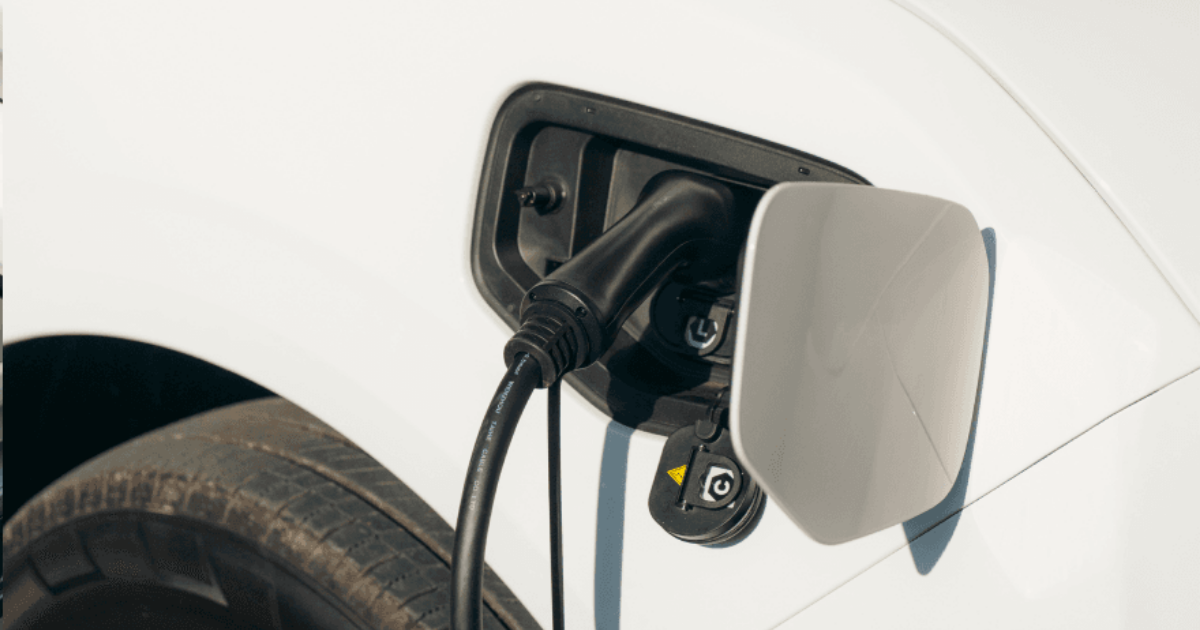
We have put electric vans into the fleet as the first stage of a planned transition away from diesel. They are not a pilot in the sense of being kept aside and studied — they are doing real metropolitan work every day. Here is an honest account of where they fit and where they do not.
Our fleet runs from one-tonne cargo vans through to semi-trailer combinations. That range is useful when you are looking for somewhere to begin, because the vans sit at the end where the technology is most mature and the operating pattern suits it best.
A metropolitan van does a predictable number of kilometres, returns to the same depot every night, and spends a meaningful part of its day stationary at delivery points. That is close to an ideal duty cycle for a battery electric vehicle. A prime mover running Perth to Esperance is close to the opposite.
Within the metropolitan area, the vans have been a straight swap for their diesel equivalents on most work. Greater Perth from Rockingham up to Wanneroo and Yanchep, and from Mundaring across to Armadale, is well inside a day's range for a van doing a normal delivery round with charging back at base.
Two things have been better than expected. Stop-start delivery driving, which is hard on a diesel drivetrain, suits an electric one — regenerative braking recovers energy in exactly the conditions where a diesel is least efficient. And maintenance is genuinely lighter. There is no oil to change, no exhaust after-treatment to service, and brake wear is substantially reduced. For a workshop that maintains sixty vehicles in house, that is a real difference in bay time.
Two constraints keep the vans on metropolitan work.
Regional and line haul operations remain diesel and will for some time. The distances involved on our Wheatbelt, Great Southern, Goldfields-Esperance and Mid West lanes are not close to being served by current van-class battery capacity, and the charging infrastructure along those routes is not there either. Nothing about a Perth to Mount Magnet run is a candidate today.
Battery weight comes out of payload. On a one-tonne van that is a proportionally significant reduction, and it means the vans are allocated to rounds where volume rather than weight is the constraint. Cartons, light freight and multi-drop work are fine. Anything approaching the van's rated capacity in dense freight goes on a diesel unit.
The vans are not a smaller version of what the fleet does. They are very good at one particular slice of it.
The plan is to work toward converting up to half the current diesel fleet over the longer term. Whether that is achievable on the timeline we would like depends on things outside our control, and we would rather say that plainly than publish a target we cannot stand behind.
Three things determine the pace. Vehicle availability in the heavier classes, where the options are still thin in Australia. Charging infrastructure, both at our own sites and along regional routes. And residual value, which is genuinely uncertain for commercial electric vehicles at the moment and matters a great deal when you own your fleet rather than lease it.
Partly because customers are starting to ask, particularly the larger transport and resources businesses with their own emissions reporting obligations. Being able to answer that question with vehicles rather than intentions is worth something.
Mostly, though, it is the same reasoning behind keeping maintenance in house. When you own the fleet, you carry the consequences of every decision about it for years. Learning how these vehicles behave on real work now — while they are a small part of the fleet and a bad week is survivable — is considerably cheaper than learning it later when they are half of it.
When a customer's timeline will not fit inside one driver's legal hours, there is only one lawful way to close the gap. Here is how the two options differ and what each one costs.
Perth to Narrogin is line haul. Getting freight on to Williams and Brookton the same day is a depot problem. What changes once you have one.
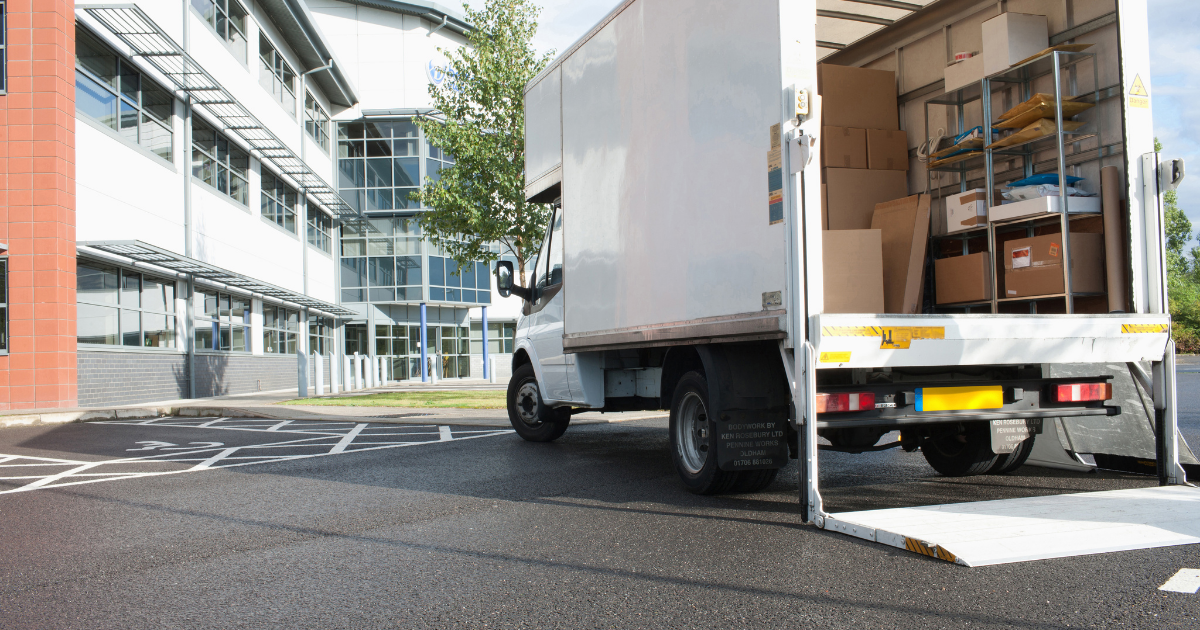
Tail-lift capacity, pallet jack ratings and the access questions worth asking before the truck is booked, rather than after it arrives.