

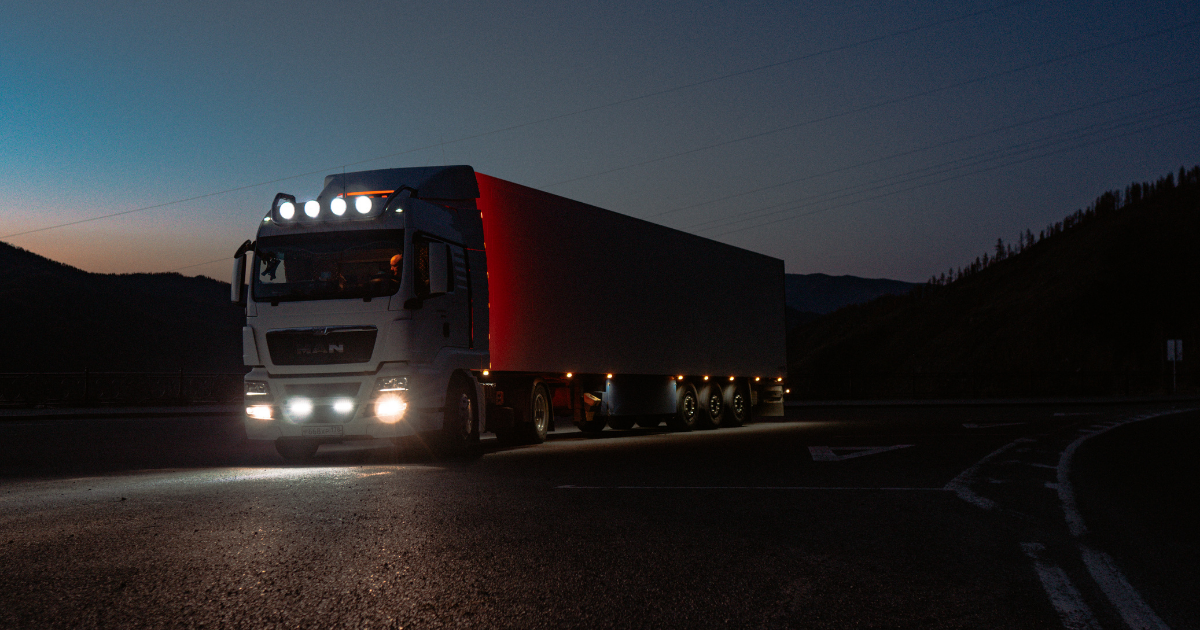
What a hotshot really is, and when it is worth paying for
A dedicated vehicle, one job, no other freight on board. Where that changes the outcome on a mine site, and where a same-day service would have done the job.
A Journey Management Plan is not paperwork we do to satisfy someone. It is the document that catches the problem at the far end of a run before a truck is halfway there, and it is prepared before the vehicle departs — not written up afterwards to close a file.
We prepare a Journey Management Plan for time-critical and regional runs as a Main Roads requirement. Each plan is completed before departure and records:
These plans form part of our compliance record and are available as supporting evidence where a customer or a regulator needs them.
The value is almost entirely in filling it out beforehand. Most of the questions on the plan have no obvious answer until someone actually asks them, and the moment they get asked is usually the moment a problem surfaces.
A regional delivery to a mine site is the standard example. The address is straightforward. But writing the plan forces the questions: is there a site induction the driver needs, does the gate operate within set hours, is there an escort requirement, is there a forklift or does the truck need a tail-lift, and is the person receiving it actually on site that day. Every one of those has stopped a delivery at some point, and every one of them is trivially solvable two days out and expensive to solve when a truck is parked at a gate four hundred kilometres from Perth.
The plan is worth writing because of the questions it makes you ask, not because of the file it goes into.
Recording the roads to be travelled is not administrative detail. The route determines what vehicle configuration can be used, what road access approvals apply, and where a driver can legally and safely take a fatigue break.
Two destinations the same distance from Perth can be completely different jobs depending on the roads between. A run on higher-speed highway with adequate stopping places is not comparable to one on lower-speed regional roads with limited safe pull-over points, even where the odometer reading ends up similar. That difference feeds directly into whether the run can be completed inside one driver's hours or needs a two-up crew.
Chain of Responsibility obligations do not sit with the operator alone. As a consignor or consignee you carry duties too — not asking or inducing a carrier to do something that would breach heavy vehicle law, and providing accurate mass and load information.
A Journey Management Plan is a written record that the timeline agreed was achievable within legal driving hours. That protects the driver, it protects us, and it protects you. Where the plan shows a requested timeline cannot be met lawfully by a single driver, the conversation about two-up crewing or a revised window happens before anyone commits, rather than becoming an argument after a delivery is late.
When you book a time-critical or regional run, the details that go into the plan are the ones worth having ready:
Five minutes on those questions at booking is consistently the highest-value five minutes in the whole job.
A dedicated vehicle, one job, no other freight on board. Where that changes the outcome on a mine site, and where a same-day service would have done the job.
Perth to Narrogin is line haul. Getting freight on to Williams and Brookton the same day is a depot problem. What changes once you have one.
The first stage of our transition away from diesel. Where range and payload make the vans a straight swap, and where they do not yet.