
Why a regional depot changes the economics of country freight
Perth to Narrogin is line haul. Getting freight on to Williams and Brookton the same day is a depot problem. What changes once you have one.
"Hotshot" gets used loosely, and that vagueness costs people money in both directions — some pay for a dedicated vehicle they did not need, others assume it is unaffordable and lose a day they could not spare. It has a specific meaning, and it is worth knowing exactly what you are buying.
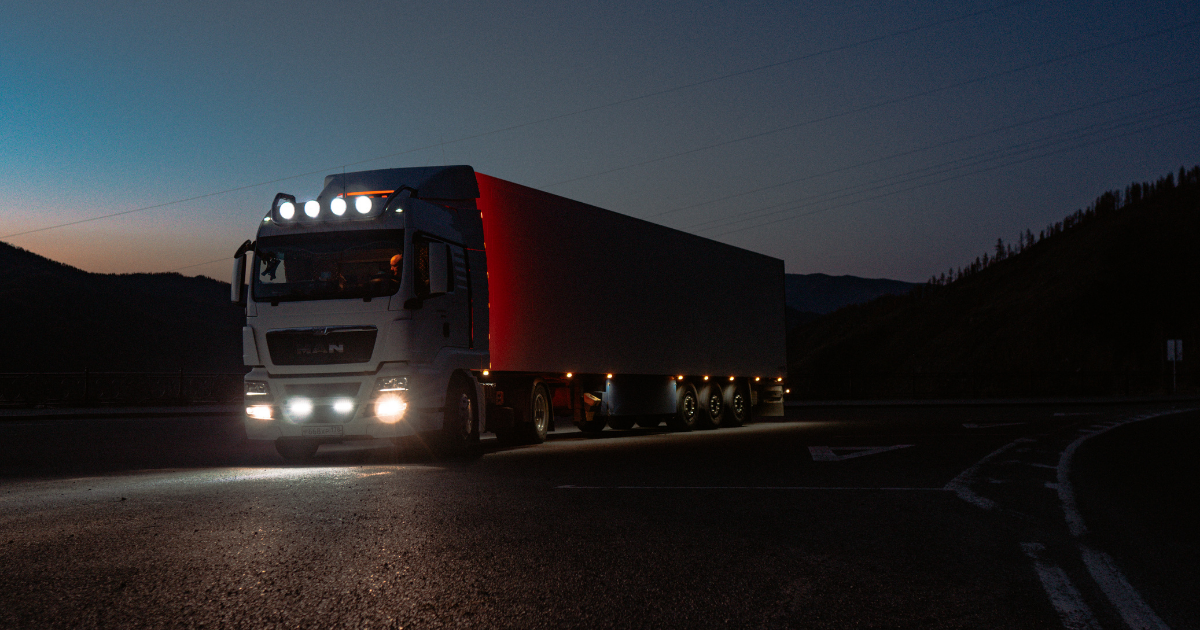
A hotshot is a dedicated point-to-point vehicle. One job, one vehicle, no other freight on board. It collects from you and it drives to the destination. There are no other pick-ups, no other drops, no depot in the middle, and no waiting for the truck to fill.
That last point is the one that matters. On a normal express service your consignment travels combined with other freight on the run, which is what makes it affordable. It also means your freight moves at the pace of the run rather than the pace of your deadline. A hotshot removes every other customer from the equation.
We typically mobilise one within a four-hour window. Urgent freight generally gets a response within two to three hours. On one job a vehicle, driver and freight were on the road within an hour of the customer's call — that is not the standard we quote, but it is what the model allows when the timing lands right.
Most of our hotshot work is concentrated in two areas, and they share a characteristic: the cost of the freight being late is enormous compared to the cost of the freight.
Urgent parts to return plant to service, freight supporting a site shutdown, consumables that a maintenance window depends on. Where downtime is costed in thousands of dollars per minute rather than hundreds, the freight decision stops being a freight decision. If a $400 part landing eight hours earlier restarts a production line, nobody spends long comparing transport quotes.
Shutdowns are the clearest case. A maintenance window is planned months out, crews are mobilised for it, and everything on the critical path has a fixed slot. Freight arriving outside that slot does not just delay one task — it can idle a whole crew.
Time-critical consignments where a delivery window is a clinical requirement rather than a preference. These jobs frequently fall outside business hours, which is part of why we operate 24 hours a day including weekends and public holidays.
We turn people away from hotshots fairly often, and it is worth explaining the reasoning because it saves everyone time.
Ask what actually happens if the freight arrives tomorrow instead of tonight. If the honest answer is that it sits in a store until someone gets to it, a same-day, overnight or next-day service will do the job at a fraction of the cost. Express freight is delivered next day, pre-noon, within our serviced areas. That covers a very large share of what comes to us described as urgent.
Urgency is a property of the consequence, not of the person asking.
The other case where a hotshot is not the answer is where the deadline is genuinely tight but the destination is on a run we already have going. If a country truck is leaving in three hours to a town twenty minutes from your delivery point, the sensible move is to put your freight on it and have the driver make the drop. You get the deadline without paying for an exclusive vehicle. Our planners look for this before quoting a dedicated run.
Four things, and you can give them all on the phone:
That last one causes more late hotshots than traffic does. A vehicle that arrives on time at a site it cannot enter has not delivered anything.
Once a hotshot is agreed, the remaining question is crewing. Where the transit time fits inside one driver's legal hours, it runs as a direct drive. Where it does not, it is crewed two-up so the vehicle never has to stop. That decision is made by fatigue law rather than preference, and it is the main thing separating one hotshot price from another.
Perth to Narrogin is line haul. Getting freight on to Williams and Brookton the same day is a depot problem. What changes once you have one.
When a customer's timeline will not fit inside one driver's legal hours, there is only one lawful way to close the gap. Here is how the two options differ and what each one costs.
The first stage of our transition away from diesel. Where range and payload make the vans a straight swap, and where they do not yet.